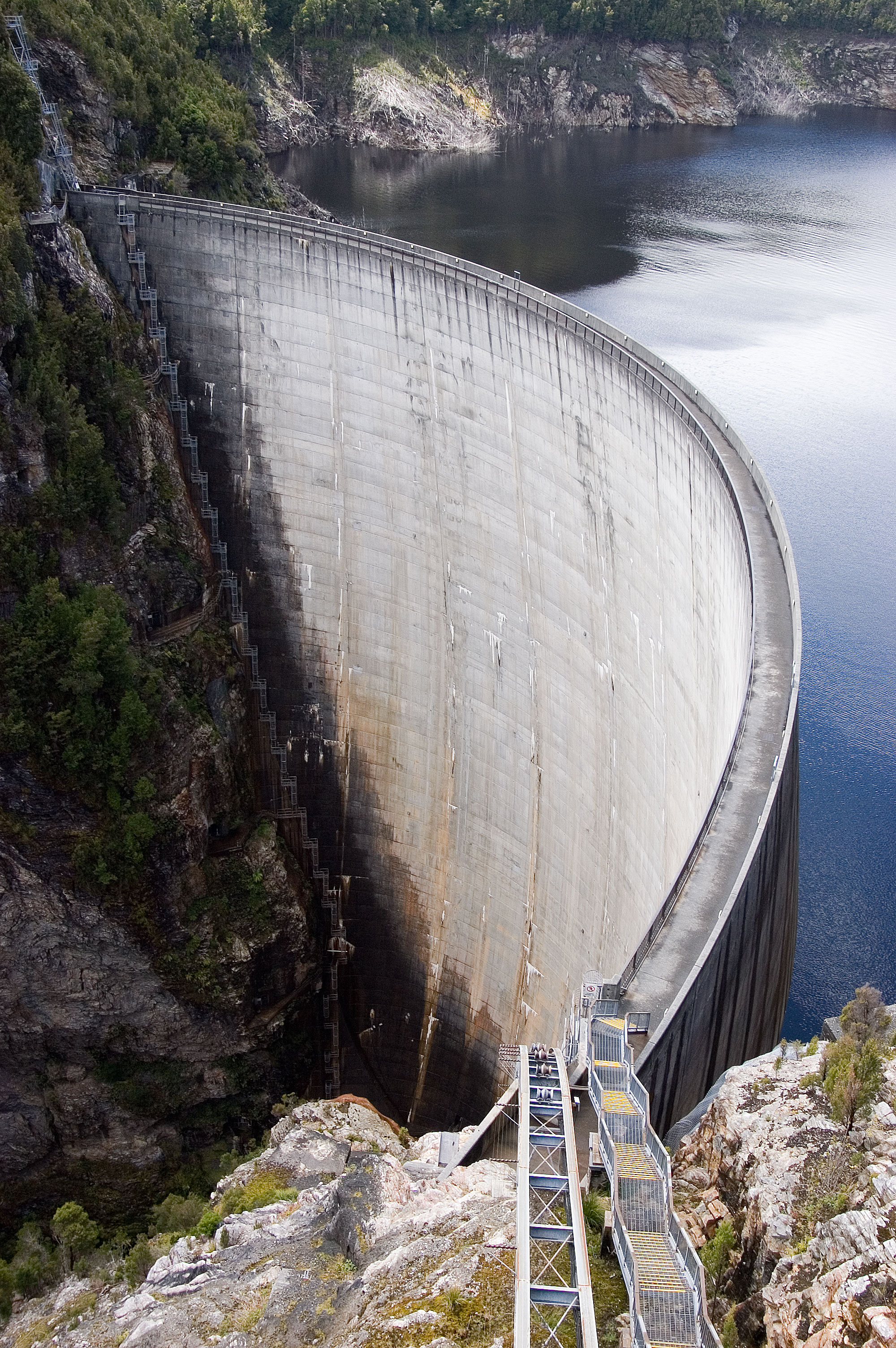
Water Level Analysis
Water capacity at Claude Wharton Weir is holding at moderate levels. Sitting at 64.3%, the total stored volume is 13 GL. This represents a typical midpoint for the region's hydrological cycle.
Catchment & Hydrological Impact
Fed primarily by the Burnett River, this reservoir plays a critical role in the North East Coast drainage division. Hydrological health in this specific drainage basin is vital for downstream ecosystems. Catchment dynamics in the North East Coast are deeply influenced by the retention capacity of Claude Wharton Weir.
Agricultural & Economic Significance
Beyond standard municipal supply, Claude Wharton Weir is a vital asset for the regional agricultural economy in Queensland. Farmers and agribusinesses monitor these levels closely to plan their seasonal crop yields. Sustainable water management here ensures that both crops and livestock can survive prolonged dry spells.
Ecological & Recreational Context
Ecologically, the reservoir and its immediate wetlands serve as a crucial habitat for native Australian wildlife. During periods of healthy water levels, the area often sees an increase in recreational activities such as fishing, boating, and camping. However, environmental flow releases must be carefully balanced to protect downstream river health.
Current Weather & Evaporation Impact
The weather around the catchment is currently recording 19°C. With 0mm of recent rainfall and clear sky skies, the catchment is relatively dry today.
Future Outlook & Monitoring
The Bureau of Meteorology's climate outlooks will play a pivotal role in predicting the future inflows for this catchment. Continuous telemetry and advanced hydrological modeling are employed to forecast storage changes. Resilience against extreme weather events remains the ultimate goal for the managers of this critical infrastructure.