Real-Time Dam Levels
Across Australia

Track water storage, capacity and historical trends for major reservoirs in New South Wales, Victoria, Queensland and beyond.

57.3% National average
303 Dams tracked
87,729 GL Total capacity
06 Jun 2026 Last Updated
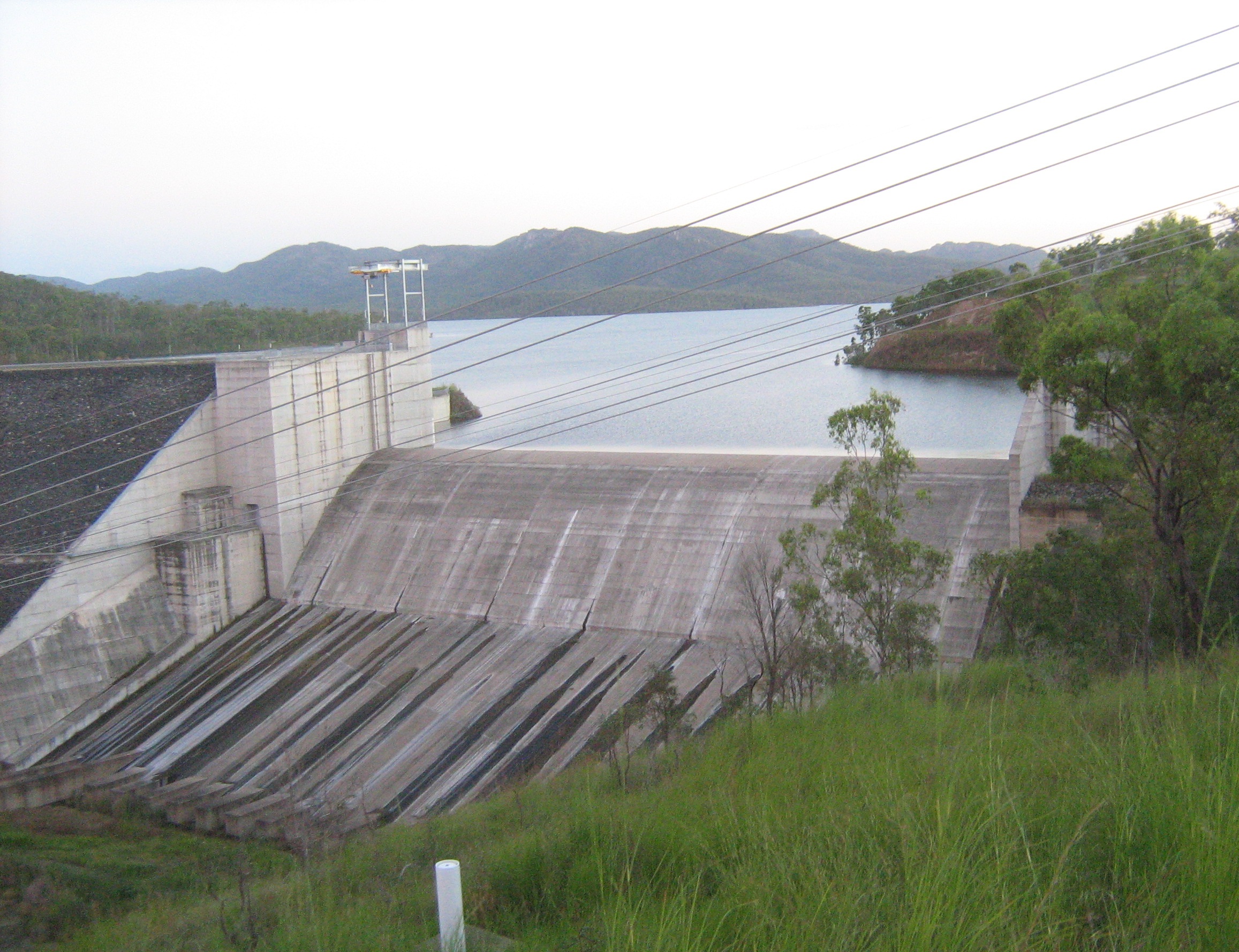
Lake Awoonga Water Level

Lake Awoonga Water Level

Queensland · Unknown
Reviewed by Water Resources Analyst
Hydrological Summary: Lake Awoonga currently stores 61.9% of its total 777 GL capacity. Located in QLD and operated by Gladstone Area Water Board, it is a critical water source for regional supply and irrigation.
Data officially sourced and updated from Queensland water authorities. Last dataset update: 2026-05-31 23:00:00
Current Storage Level 61.9%
Total Capacity
777 GL
Status
Normal / Safe
Operator
Gladstone Area Water Board
Last Updated
31 May 2026
Live Weather
20°C Clear sky
Rain: 0mm | Hum: 46%

Water Level Analysis

Water capacity at Lake Awoonga is holding at moderate levels. Sitting at 61.9%, the total stored volume is 777 GL. Authorities continue to monitor inflows carefully.

Catchment & Hydrological Impact

The Boyne River acts as the primary lifeblood for Lake Awoonga, making it a cornerstone of the North East Coast network. Managing the flow from the Boyne River ensures that downstream agricultural zones receive consistent supply. The North East Coast region relies heavily on the seasonal inflows captured here.

Agricultural & Economic Significance

Beyond standard municipal supply, Lake Awoonga is a vital asset for the regional agricultural economy in Queensland. Irrigation allocations are directly tied to these storage metrics. Without the buffer provided by this massive 777 GL storage, regional farming would face extreme volatility.

Ecological & Recreational Context

Ecologically, the reservoir and its immediate wetlands serve as a crucial habitat for native Australian wildlife. During periods of healthy water levels, the area often sees an increase in recreational activities such as fishing, boating, and camping. However, environmental flow releases must be carefully balanced to protect downstream river health.

Current Weather & Evaporation Impact

The weather around the catchment is currently recording 20°C. With 0mm of recent rainfall and clear sky skies, the catchment is relatively dry today.

Future Outlook & Monitoring

The Bureau of Meteorology's climate outlooks will play a pivotal role in predicting the future inflows for this catchment. Continuous telemetry and advanced hydrological modeling are employed to forecast storage changes. Given the unpredictable nature of Australia's climate, from La Niña flooding to El Niño droughts, maintaining a dynamic operational strategy for Lake Awoonga is absolutely essential.

Location Map

Frequently Asked Questions

What is the current water level of Lake Awoonga?
As of the latest official reading, the water level at Lake Awoonga is at 61.9% of its total capacity.
Is Lake Awoonga currently full?
It is partially full, currently holding steady at 61.9%.
What is the maximum water capacity of Lake Awoonga?
When completely full (100%), Lake Awoonga can hold up to 777 Gigalitres (GL) of water.
Where is Lake Awoonga located?
This reservoir is a critical water storage facility located in the state of Queensland, Australia.
How does the water level at Lake Awoonga affect local agriculture?
Water levels dictate the irrigation allocations for surrounding farmlands. A healthy level of 61.9% ensures that local farmers have the necessary water security for their seasonal crops and livestock.
Who manages the data for Lake Awoonga?
The data is sourced from official government authorities including the Bureau of Meteorology (BOM) and specific state water utilities.

Nearby Dams in Queensland

Largest Reservoirs in Queensland

Latest Water & Drought News

← Back to all dams