Water Level Analysis
Water levels at Upper Cascade are well within positive historical averages. With a current fill rate of 88.5%, the reservoir contains 2 GL. This indicates a very comfortable buffer for the upcoming dry seasons.
Catchment & Hydrological Impact
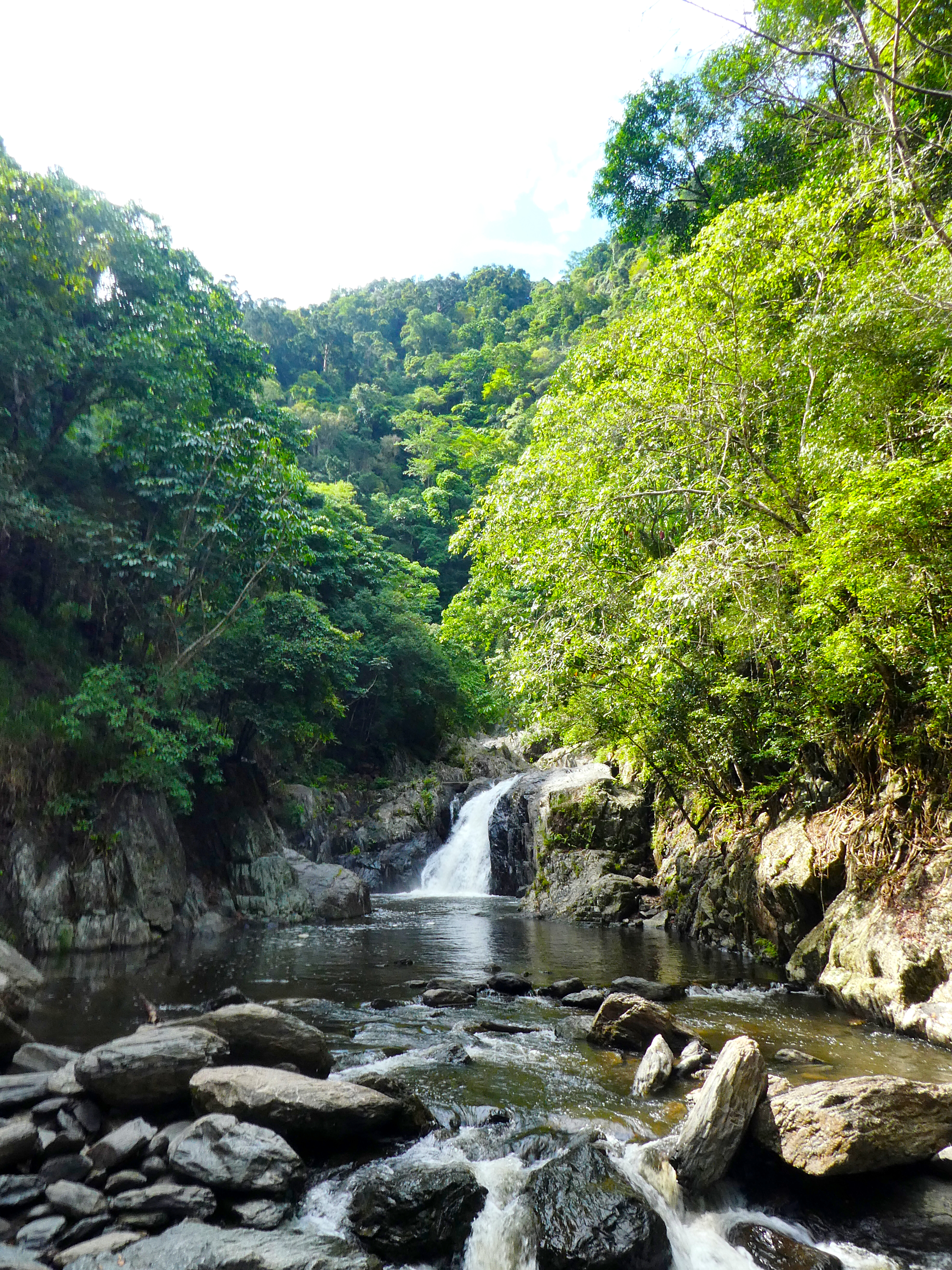
The Cascade Creek acts as the primary lifeblood for Upper Cascade, making it a cornerstone of the South East Coast (NSW) network. Managing the flow from the Cascade Creek ensures that downstream agricultural zones receive consistent supply. The South East Coast (NSW) region relies heavily on the seasonal inflows captured here.
Agricultural & Economic Significance
Beyond standard municipal supply, Upper Cascade is a vital asset for the regional agricultural economy in New South Wales. Irrigation allocations are directly tied to these storage metrics. Without the buffer provided by this massive 2 GL storage, regional farming would face extreme volatility.
Ecological & Recreational Context
The surrounding catchment of Upper Cascade also supports diverse local flora and fauna. When capacity allows, Upper Cascade becomes a hub for regional tourism and water sports. Authorities must constantly balance the need for human water consumption with the ecological necessity of maintaining healthy river systems downstream.
Current Weather & Evaporation Impact
With a mild reading of 12°C today, surface evaporation is significantly reduced, helping to preserve current volume. With 0mm of recent rainfall and clear sky skies, the catchment is relatively dry today.
Future Outlook & Monitoring
The Bureau of Meteorology's climate outlooks will play a pivotal role in predicting the future inflows for this catchment. State water authorities utilize highly sophisticated monitoring tools to ensure every drop is accounted for. Resilience against extreme weather events remains the ultimate goal for the managers of this critical infrastructure.