Water Level Analysis
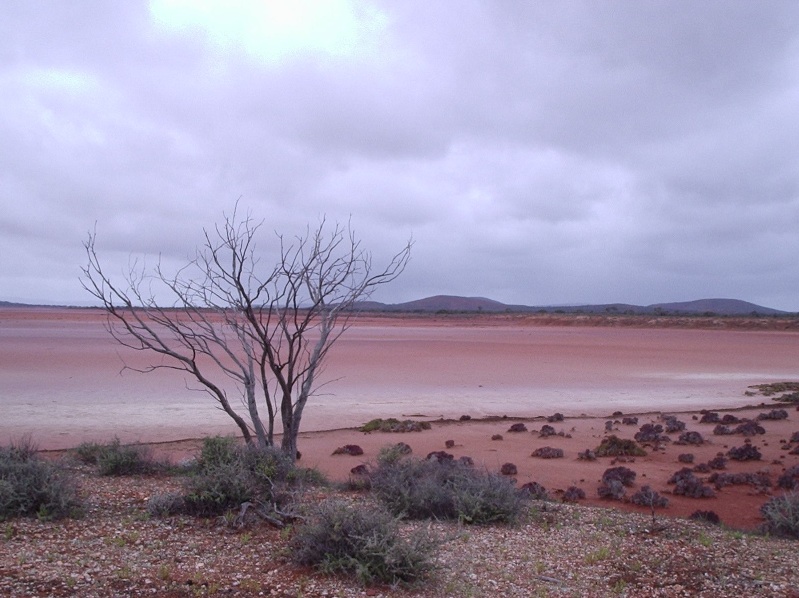
Lake Gairdner is currently exhibiting average water retention levels. The current reading shows the reservoir at 55.8%, translating to 9 GL. While adequate, continuous monitoring is standard procedure for this catchment.
Agricultural & Economic Significance
Agriculture in the surrounding areas of Tasmania depends heavily on the water security provided by Lake Gairdner. Farmers and agribusinesses monitor these levels closely to plan their seasonal crop yields. Without the buffer provided by this massive 9 GL storage, regional farming would face extreme volatility.
Ecological & Recreational Context
The surrounding catchment of Lake Gairdner also supports diverse local flora and fauna. When capacity allows, Lake Gairdner becomes a hub for regional tourism and water sports. However, environmental flow releases must be carefully balanced to protect downstream river health.
Current Weather & Evaporation Impact
With a mild reading of 10°C today, surface evaporation is significantly reduced, helping to preserve current volume. With 0mm of recent rainfall and partly cloudy skies, the catchment is relatively dry today.
Future Outlook & Monitoring
The Bureau of Meteorology's climate outlooks will play a pivotal role in predicting the future inflows for this catchment. State water authorities utilize highly sophisticated monitoring tools to ensure every drop is accounted for. Given the unpredictable nature of Australia's climate, from La Niña flooding to El Niño droughts, maintaining a dynamic operational strategy for Lake Gairdner is absolutely essential.