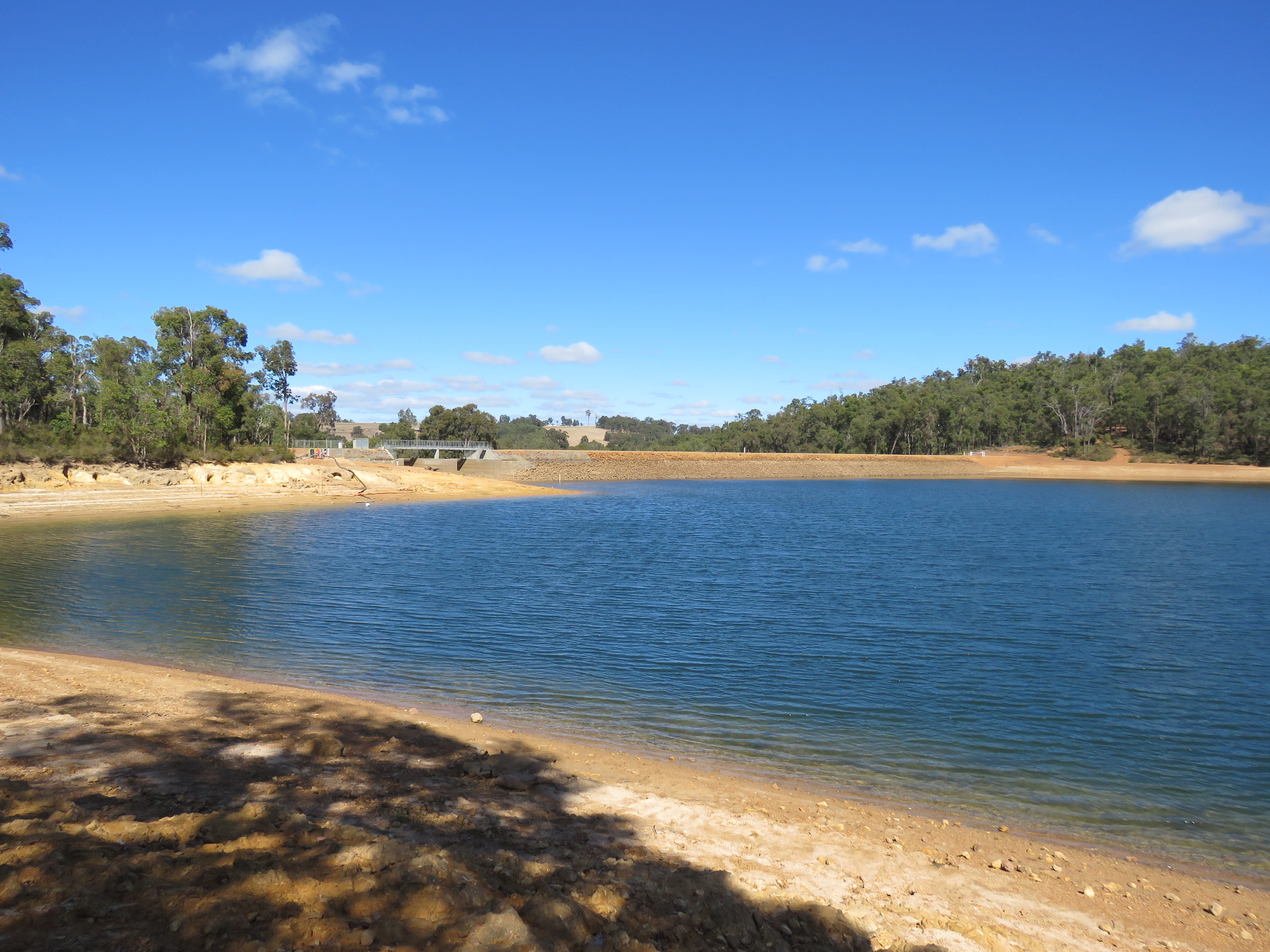
Water Level Analysis
The current volume at Glen Mervyn is running lower than standard operational thresholds. With the reservoir sitting at just 34.8%, the total available volume is 2 GL. This lower-than-average capacity may trigger preliminary water-saving advisories in Western Australia if dry conditions persist.
Catchment & Hydrological Impact
The McCallum Creek acts as the primary lifeblood for Glen Mervyn, making it a cornerstone of the South West Coast network. Hydrological health in this specific drainage basin is vital for downstream ecosystems. Catchment dynamics in the South West Coast are deeply influenced by the retention capacity of Glen Mervyn.
Agricultural & Economic Significance
Beyond standard municipal supply, Glen Mervyn is a vital asset for the regional agricultural economy in Western Australia. The local economy, heavily rooted in agriculture, fluctuates in tandem with the health of this reservoir. Without the buffer provided by this massive 2 GL storage, regional farming would face extreme volatility.
Ecological & Recreational Context
Ecologically, the reservoir and its immediate wetlands serve as a crucial habitat for native Australian wildlife. When capacity allows, Glen Mervyn becomes a hub for regional tourism and water sports. However, environmental flow releases must be carefully balanced to protect downstream river health.
Current Weather & Evaporation Impact
The weather around the catchment is currently recording 19°C. Under current clear sky weather, there is no direct rainfall contributing to the immediate storage levels.
Future Outlook & Monitoring
Looking ahead, the trajectory of Glen Mervyn's water levels will depend heavily on upcoming seasonal rainfall patterns. Continuous telemetry and advanced hydrological modeling are employed to forecast storage changes. Given the unpredictable nature of Australia's climate, from La Niña flooding to El Niño droughts, maintaining a dynamic operational strategy for Glen Mervyn is absolutely essential.