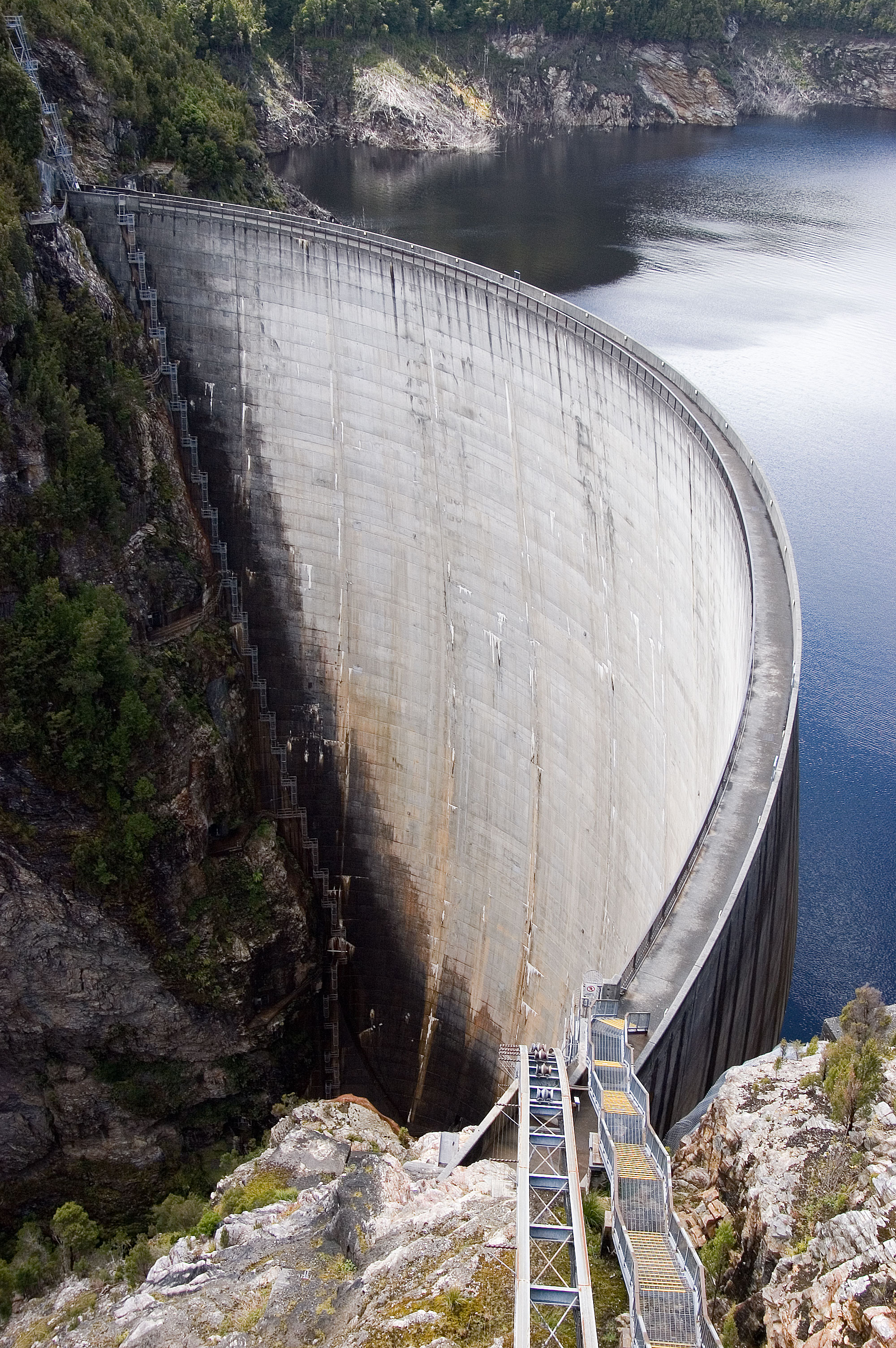
Water Level Analysis
Water levels at Bostock Reservoir are alarmingly low. Currently at only 5.5% of its 7 GL capacity, the situation requires urgent monitoring. Extended drought conditions or lack of significant inflows into the catchment are likely the primary drivers of this severe depletion.
Catchment & Hydrological Impact
Fed primarily by the Moorabool River East Branch, this reservoir plays a critical role in the South East Coast (Victoria) drainage division. Managing the flow from the Moorabool River East Branch ensures that downstream agricultural zones receive consistent supply. Catchment dynamics in the South East Coast (Victoria) are deeply influenced by the retention capacity of Bostock Reservoir.
Agricultural & Economic Significance
Beyond standard municipal supply, Bostock Reservoir is a vital asset for the regional agricultural economy in Victoria. The local economy, heavily rooted in agriculture, fluctuates in tandem with the health of this reservoir. Sustainable water management here ensures that both crops and livestock can survive prolonged dry spells.
Ecological & Recreational Context
The surrounding catchment of Bostock Reservoir also supports diverse local flora and fauna. During periods of healthy water levels, the area often sees an increase in recreational activities such as fishing, boating, and camping. Authorities must constantly balance the need for human water consumption with the ecological necessity of maintaining healthy river systems downstream.
Current Weather & Evaporation Impact
Cooler current temperatures of 13°C help minimize evaporation losses across the reservoir. With 0mm of recent rainfall and partly cloudy skies, the catchment is relatively dry today.
Future Outlook & Monitoring
Looking ahead, the trajectory of Bostock Reservoir's water levels will depend heavily on upcoming seasonal rainfall patterns. State water authorities utilize highly sophisticated monitoring tools to ensure every drop is accounted for. Given the unpredictable nature of Australia's climate, from La Niña flooding to El Niño droughts, maintaining a dynamic operational strategy for Bostock Reservoir is absolutely essential.